Looking back at women in the arts, shaping up how they tackled their practice is very inspiring and is helping me to work out a way to gaze out like Mark Bradford. I haven’t realised just how daunting that would be.
I opened up my research from my earlier visit to the Tate.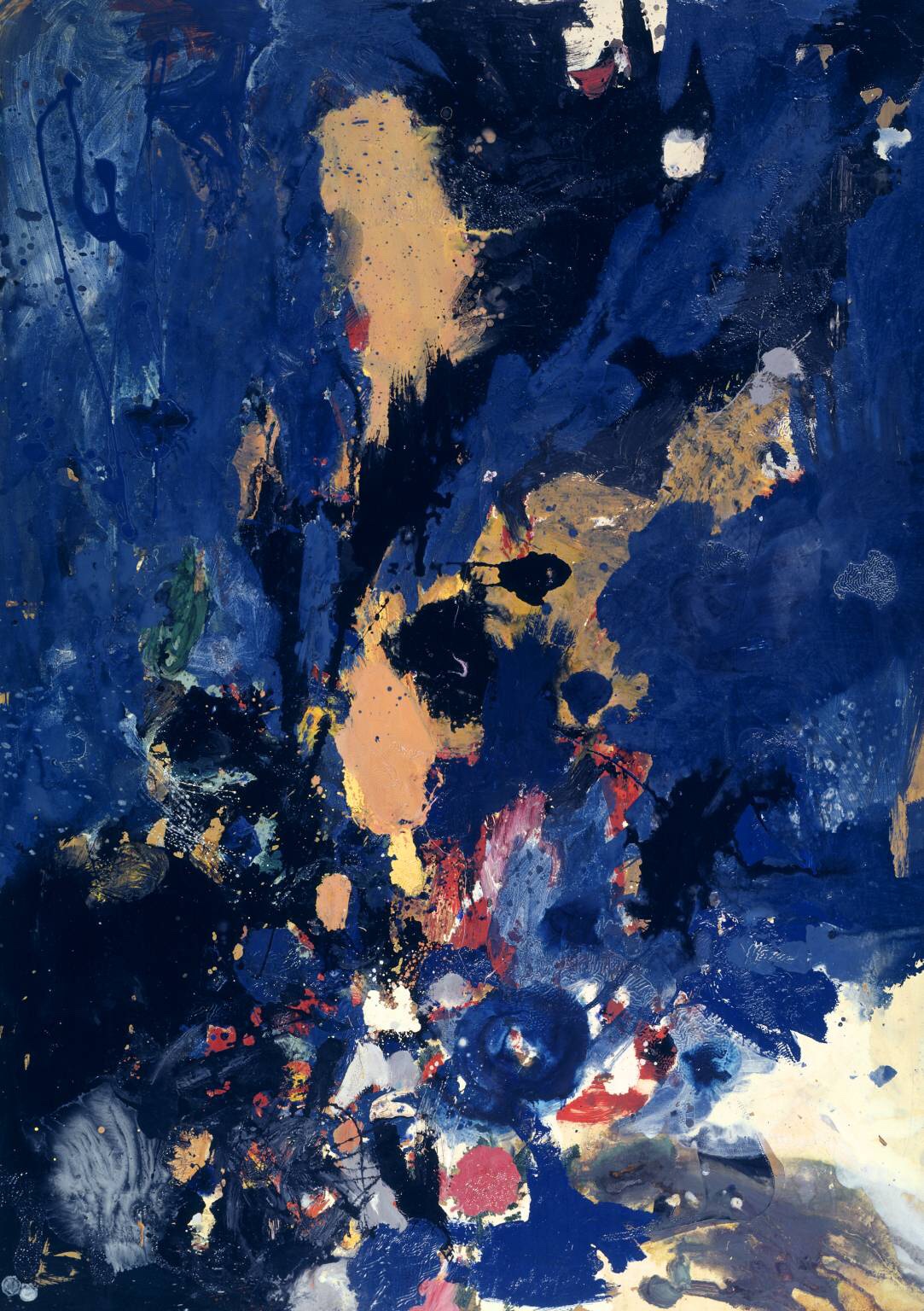 https://www.tate.org.uk/art/artworks/ayres-distillation-t01714
Ayres-Back in the 1960s, a member of Tate’s staff asked Gillian Ayres (1930–2018) if her abstract paintings related to the natural world around her, as was the case with some of her artist contemporaries. Her response, which took the form of a list, was wonderfully eclectic: ‘Crivelli, jelly moulds, Mrs Beeton’s ice cream and cakes, finials and crockets, lichens and seaweeds, shells, Uccello hats and plumed helmets.’
Such a joyous blend of the artistic, the man-made and the natural made perfect sense to those who knew her as generous and jolly, and still does to those who now view her paintings. As many have found, they are works filled with the energy of a mind that never tired of looking at the world around her, from the most beautiful piece of art to the most mundane of household items. Tate Gallery web site- Link –
https://www.tate.org.uk/tate-etc/issue-46-summer-2019/gillian-ayres-joyous-colour
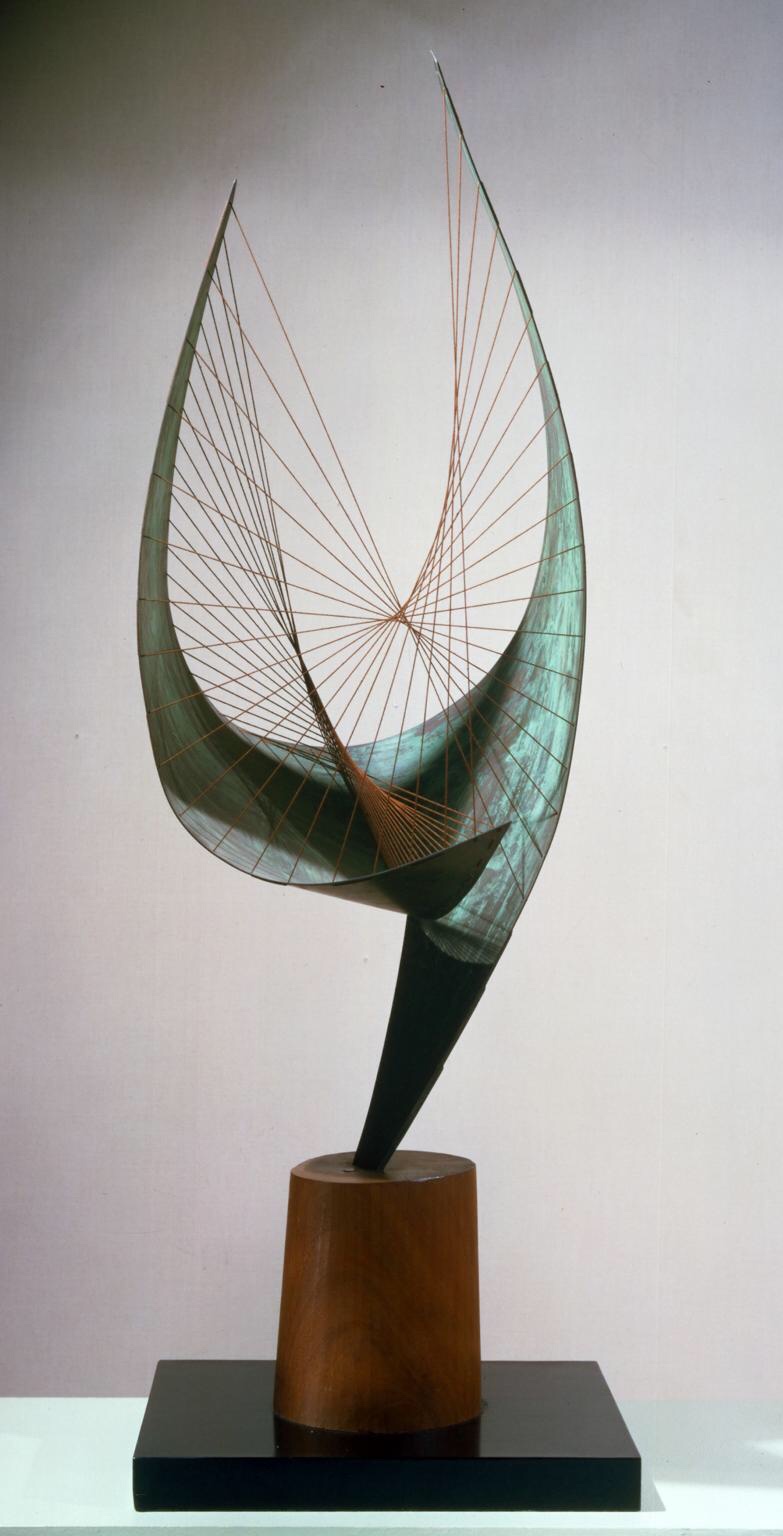
https://www.tate.org.uk/art/artworks/hepworth-orpheus-maquette-2-version-ii-t00955
Hepworth– making Sculture about the space in side rather than out side.
-Curator Chris Stephens spotlights the physical process and attention to detail behind Hepworth’s work
— Read on www.tate.org.uk/art/artists/dame-barbara-hepworth-1274/introduction-barbara-hepworth
-https://www.tate.org.uk/art/artists/dame-barbara-hepworth-1274/barbara-hepworths-sculpture-records

 Sarah Chalkie Cloonan